Posts by priyanka
RPM Reimbursement: What Every Provider Should Know

RPM Reimbursement: What Every Provider Should Know Remote Patient Monitoring (RPM) is one of the most effective ways to extend care, improve outcomes, and strengthen patient engagement. But for practices, the real challenge is often how to get reimbursed. Here’s what you need to know in 2024 — reorganized into a clear roadmap. 1. Start With the Rules That Matter Most Before diving into billing codes, providers need to understand the ground rules CMS has set: 16-day requirement: To bill CPT 99453 and 99454, at least 16 days of patient data must be captured within a 30-day period. Established patient relationship: RPM services can only be provided to existing patients (unlike RTM). One provider per patient: Even if multiple devices are used, only a single practitioner can bill RPM for each 30-day cycle. Automatic device transmission: Self-reported data does not count — only FDA-cleared devices that sync automatically are eligible. 2. Know What Devices Qualify Not all gadgets count as medical devices. For reimbursement, the technology must meet FDA standards and transmit physiological data without manual entry. Common examples include: Blood pressure monitors Glucose meters Pulse oximeters Digital weight scales 3. Understand Patient Responsibility Medicare beneficiaries generally owe 20% coinsurance for RPM services under Part B. This cost may be covered if patients have supplemental insurance or Medicaid, but it usually cannot be waived outright. Setting expectations early helps avoid confusion. 4. Recognize Who Pays RPM is reimbursable across multiple payer types: Medicare – the most consistent and widely used pathway through CPT codes Medicaid – as of 2023, 37 states cover some form of RPM Commercial insurers & ACOs – many now recognize RPM, though policies differ by region and plan 5. Break Down the CPT Codes and Payment Rates Medicare has established four key CPT codes for RPM reimbursement. National, non-facility averages for 2024 are: 99453 – Initial setup and patient education — $19 (one-time) 99454 – Device supply, data transmission, and reporting — $46/month 99457 – First 20 minutes of clinician or staff review/management — $48/month 99458 – Each additional 20 minutes — $38/month Actual reimbursement varies by payer and geography. 6. Pair RPM With Other Services RPM is particularly powerful when combined with Chronic Care Management (CCM). Both can be billed in the same month if time is tracked separately. Example: 20 minutes of RPM (99457) 20 minutes of CCM (99490)= 40 minutes total, supporting billing for both services. 7. Don’t Forget FQHCs and RHCs A recent update means Federally Qualified Health Centers (FQHCs) and Rural Health Clinics (RHCs) can now bill for both RPM and Remote Therapeutic Monitoring (RTM) as of January 1, 2024. This expands remote care access to previously underserved populations. The Takeaway Reimbursement doesn’t have to be a stumbling block. With the right understanding of coverage, coding, and compliance, practices can confidently run RPM programs that improve care and create sustainable revenue. At NowRPM, we simplify the process by pairing user-friendly devices with billing guidance and operational support. That way, you can focus less on navigating codes — and more on delivering proactive, connected care. Ready to Revolutionize Your Remote Care? One platform to manage monitoring, engage patients, and streamline your workflow—without adding to your team’s workload. Schedule a Call
Read MoreWhy Remote Patient Monitoring Is Becoming the Backbone of Everyday Healthcare

Why Remote Patient Monitoring Is Becoming the Backbone of Everyday Healthcare When people think of telehealth, they often picture a video call with a doctor. But the real future of digital care isn’t a screen — it’s the steady stream of insights coming from a patient’s home. That’s the promise of Remote Patient Monitoring (RPM). Beyond the Video Call Telehealth made care accessible during COVID-19, but it often remained transactional: a scheduled appointment, a set amount of time, and then silence until the next visit. RPM changes that rhythm. With home devices quietly collecting vitals, patients aren’t just seen once in a while — they’re seen every day. Instead of snapshots, providers get a continuous story of someone’s health. What Patients Learned During the Pandemic For many, the biggest discovery wasn’t convenience. It was comfort. Patients isolated with COVID felt safer knowing their numbers were being tracked. Families worried about older relatives found peace of mind because clinicians were watching in real time. That reassurance doesn’t need to end with the pandemic. People managing hypertension, diabetes, or heart failure benefit just as much from knowing someone is paying attention between office visits. Why RPM Will Outlast the Emergency Patients want it. Once people experience proactive monitoring, they don’t want to go back to long gaps of uncertainty. Providers need it. Staffing shortages and rising caseloads make continuous, automated monitoring essential. Systems depend on it. Value-based care models reward prevention, and RPM is prevention in action. A New Normal for Care The healthcare system is shifting from “episodic” to “everyday.” RPM doesn’t replace telehealth — it enriches it. Video visits will always have their place, but they work better when backed by real, daily data. At NowRPM, our mission is to make this model seamless. That means simple devices, effortless data sharing, and a platform that connects patients and providers without friction. Because the future of healthcare isn’t just about being able to “see your doctor online.” It’s about knowing your care team can see you — clearly, continuously, and in real time. https://emj.bmj.com/content/38/3/229 https://www.emarketer.com/topics/industry/health Remote-Patient-Monitoring-Program-Shines-in-Treating-COVID-19 Ready to Revolutionize Your Remote Care? One platform to manage monitoring, engage patients, and streamline your workflow—without adding to your team’s workload. Schedule a Call
Read MoreHow Remote Patient Monitoring Helps Patients Stay Connected to Care

How Remote Patient Monitoring Helps Patients Stay Connected to Care Maria is 68, lives in a small town, and manages both diabetes and high blood pressure. She tries her best — but between transportation challenges, long waits for appointments, and the confusion of managing multiple prescriptions, she often feels like she’s falling behind. Maria’s story isn’t unique. Across the country, thousands of patients face similar “care gaps” — moments where they don’t receive the care they need, when they need it most. These moments add up to poorer health, avoidable hospital visits, and higher costs for everyone. Why Gaps Happen Care isn’t missed because patients don’t care. It’s usually because: Life logistics (work, family, transportation) get in the way Symptoms develop silently between visits Communication with providers feels too infrequent Health systems are stretched too thin to check in regularly The result: conditions that could have been managed early become urgent, expensive problems. Where RPM Changes the Story Remote patient monitoring brings care back into the rhythm of daily life. Instead of waiting months for feedback, patients and providers stay connected continuously. For Maria, it means her blood glucose is logged every morning and her doctor sees the trends instantly. For her provider, it means knowing when her numbers slip and stepping in with advice before a crisis. For her family, it means reassurance that someone is watching out for her, even between visits. Beyond Numbers: Building Confidence The power of RPM isn’t just the devices — it’s the sense of partnership it creates. Patients start to see patterns in their own health. Providers get a clearer view of what’s working. Together, they can adjust care plans before things spiral out of control. A Smarter Path Forward The U.S. spends billions each year treating preventable complications from unmanaged chronic conditions. Closing care gaps isn’t about more hospital beds or more office visits — it’s about smarter, earlier support. At NowRPM, we’re committed to making that possible. Our platform combines easy-to-use devices, patient-friendly coaching, and seamless provider dashboards so that no one has to fall through the cracks. Healthcare should feel connected, continuous, and compassionate. With RPM, that future is within reach. References https://www.ncoa.org/article/the-top-10-most-common-chronic-conditions-in-older-adults/ https://www.cdc.gov/mmwr/volumes Ready to Revolutionize Your Remote Care? One platform to manage monitoring, engage patients, and streamline your workflow—without adding to your team’s workload. Schedule a Call
Read MoreNowRPM Launches Next-Generation Tools to Empower Patient Engagement

NowRPM Launches Next-Generation Tools to Empower Patient Engagement Remote patient monitoring (RPM) has moved beyond being just a way to collect vital signs. Today, it’s becoming the foundation for patient engagement, giving people the tools to better understand, track, and take ownership of their health. At NowRPM, we’re building on that momentum with a set of new features designed to make care more interactive, accessible, and rewarding for patients — while simplifying workflows for providers. More Patient-Centered Experience A Personalized Patient Portal Patients can now log into the NowRPM portal with simple, secure access. Inside, they can: Review their latest readings Spot trends over time Share data securely with family members or specialists By putting this information directly in patients’ hands, the portal helps shift the mindset from “monitoring” to “participating.” Making Health Routines More Engaging Tracking vitals doesn’t need to feel like a chore. NowRPM introduces interactive elements that reward consistency — turning daily readings into positive habits. Instead of patients feeling like they’re checking boxes, they’re experiencing progress in real time. Smarter AI Outreach Our built-in AI assistant keeps patients on track with: Personalized reminders to take readings Encouraging messages when goals are met On-demand answers to common questions For patients without access to text, NowRPM’s voice reminders extend the same support through simple phone calls, ensuring no one is left behind. Automatic Supply Refills Running out of test strips or other device supplies often interrupts adherence. NowRPM solves this with auto-refill: consumables are reordered automatically when levels are low. Patients stay consistent, and providers spend less time troubleshooting supply issues. Beyond Vitals: Understanding the Whole Patient Engagement is more than numbers. With social determinants of health (SDOH) surveys, providers can gain insight into real-world challenges patients face — like food insecurity, transportation barriers, or medication affordability. These short surveys, delivered by text or voice, give clinicians a more complete view of the patient’s situation, allowing for earlier support and more holistic care. Tools for Providers Too Engagement only works if practices can scale it. That’s why NowRPM has added: Monitoring time trackers to measure care team involvement Outcomes dashboards to see population-level improvements at a glance Patient grouping features for managing specific cohorts, like diabetes or hypertension patients One-touch calling for faster patient outreach directly from the portal These updates help providers spend less time on admin tasks and more time on meaningful patient interactions. The Big Picture By combining patient-facing tools with provider-focused insights, NowRPM is creating a more connected ecosystem for remote care. Patients gain confidence and control. Providers gain clarity and efficiency. Together, they build stronger relationships that lead to better long-term outcomes. At NowRPM, we believe engagement isn’t just about collecting readings — it’s about empowering people to be active participants in their health every single day. Ready to Revolutionize Your Remote Care? One platform to manage monitoring, engage patients, and streamline your workflow—without adding to your team’s workload. Schedule a Call
Read MoreHow AI Health Assistants Inspire Patients to Stay Engaged
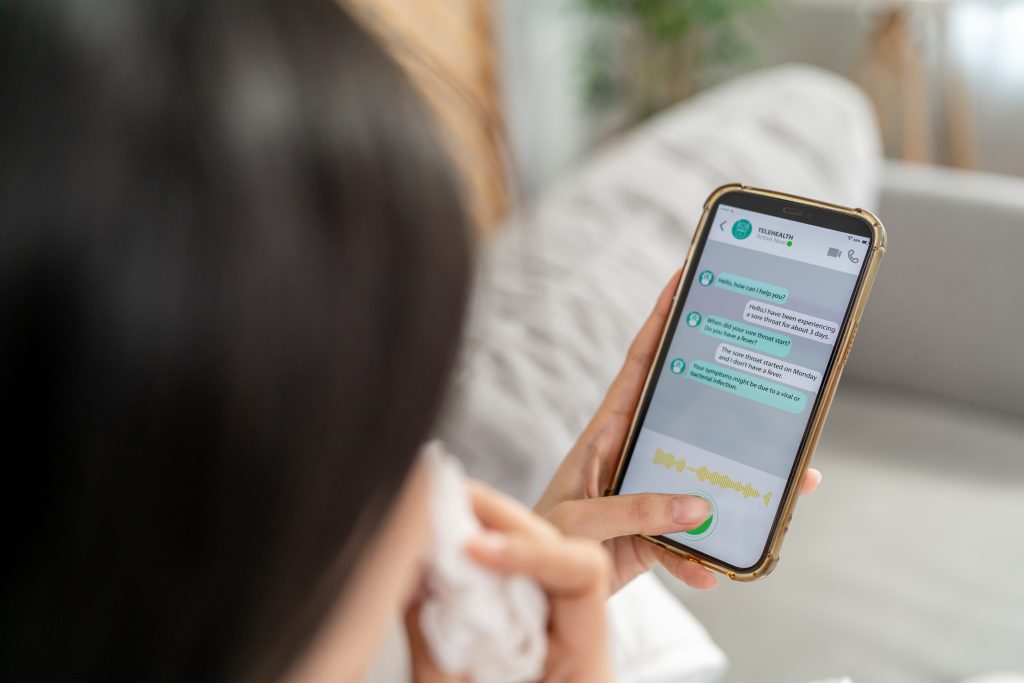
How AI Health Assistants Inspire Patients to Stay Engaged Keeping patients involved in their care is one of the toughest challenges in healthcare today. People often leave the clinic with good intentions but struggle to stay consistent with medications, check-ins, or lifestyle changes. That’s where AI-powered health assistants can make the difference. By acting like a digital companion, these tools remind, encourage, and guide patients in real time. Instead of waiting for the next appointment, patients have support at their fingertips every day. Here are three fresh ways AI assistants help patients stay engaged. 1. Turning Daily Tasks Into Simple Routines Patients don’t disengage because they don’t care — they disengage because life gets in the way. An AI assistant can nudge someone at just the right moment: “It’s time to check your blood pressure” or “Don’t forget your evening dose.” Over time, these prompts turn into habits. What once felt like a chore becomes part of the daily rhythm, making adherence less stressful and more natural. 2. Creating a Two-Way Conversation, Not Just Alerts Traditional reminders are one-directional. AI assistants change that by letting patients respond: “I already took my meds.” “My cuff isn’t working.” “Can I move my appointment?” This back-and-forth builds trust and ensures patients feel heard, while reducing the need for endless phone calls or voicemails. 3. Personalizing Support for Every Patient No two patients are alike. A younger diabetic patient may need encouragement about diet choices, while an older heart failure patient may value reassurance about stability. AI assistants can adjust tone, timing, and content so every interaction feels tailored. That personalization not only keeps patients on track but also makes them feel genuinely cared for — which is the heart of engagement. Why It Matters for Providers When patients are consistently engaged, providers see the ripple effects: Fewer missed appointments Better adherence to care plans Earlier alerts when conditions worsen Higher satisfaction scores And because AI handles routine outreach, care teams gain back valuable time to focus on complex cases. NowRPM’s Vision At NowRPM, we see AI assistants as a bridge between patients and providers — not a replacement for human care, but a supportive guide that keeps health on track. By combining AI outreach with our remote monitoring platform, we help patients feel connected every day and help providers deliver care that’s proactive instead of reactive. The result? A healthcare experience where patients don’t just participate — they thrive. References https://www.healthaffairs.org/content/briefs/patient-engagement Virtual Assistant Ready to Revolutionize Your Remote Care? One platform to manage monitoring, engage patients, and streamline your workflow—without adding to your team’s workload. Schedule a Call
Read MoreChronic Disease Management Reimagined with Remote Patient Monitoring
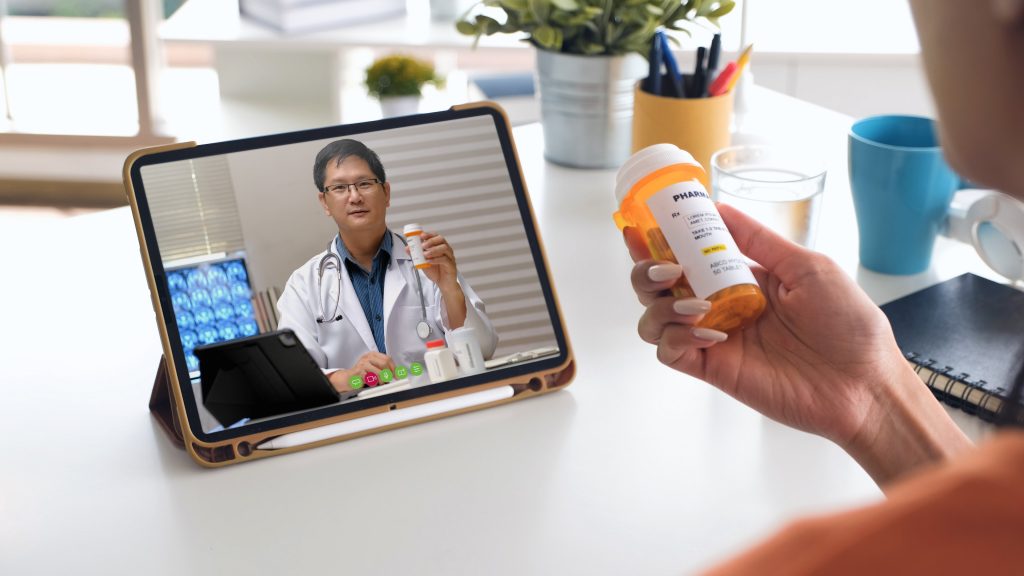
Chronic Disease Management Reimagined with Remote Patient Monitoring Managing a chronic illness can feel like living with an unpredictable shadow — always present, sometimes quiet, and other times disruptive. For providers, that same shadow shows up in long-term costs, emergency visits, and a system stretched thin. Remote Patient Monitoring (RPM) is changing this picture by giving both patients and providers the ability to see what’s happening in real time, every day — not just at scheduled appointments. Chronic Illness: The Hidden Everyday Strain Behind the numbers are people whose daily lives are shaped by conditions like diabetes, COPD, and heart disease. For many, care looks like: Sporadic check-ins every few months Symptoms that escalate silently between visits ER trips when “something feels wrong” This cycle is stressful for patients and expensive for the healthcare system. What RPM Brings to the Table RPM acts like a daily window into patient health, bridging the silence between office visits. With simple connected devices, patients track their vitals at home. The care team sees patterns, flags risks, and steps in before small problems become emergencies. Instead of relying on memory or chance, providers get real-world, continuous data, and patients feel supported every day. A Patient Story Take James, a 72-year-old managing hypertension. Before RPM, he only saw his doctor twice a year. His blood pressure would spike in between, often unnoticed until it led to dizziness and an ER visit. With RPM, James checks his blood pressure each morning. When his numbers creep higher for a few days in a row, his provider adjusts his medication. No ER trip. No crisis. Just steady, preventive care. Why Providers Should Care Better data → better decisions. Continuous vitals highlight trends office readings often miss. Early action. Intervention before emergencies reduces hospitalizations and readmissions. Stronger patient relationships. Patients feel heard and cared for between visits. Sustainable economics. Medicare reimbursement for RPM makes programs viable without adding staff strain. NowRPM’s Approach At NowRPM, we believe chronic disease management should feel less like a burden and more like a partnership. That’s why we design our RPM tools to be: Simple for patients to use daily without tech stress Seamless for providers with EHR integration and actionable alerts Scalable for practices through turnkey support and billing guidance Chronic diseases may be here to stay, but with RPM, they don’t have to dictate the story. Together, patients and providers can move from crisis management to proactive, confident care. References https://www.cdc.gov/chronic-disease/data-research/facts-stats/index.html?utm_source=chatgpt.com https://www.medicaleconomics.com/view/at-home-monitoring-cuts-hospital-admissions-by-nearly-60-study-finds?utm_source=chatgpt.com Chronic Disease in the United States: A Worsening Health and Economic Crisis – AAF (americanactionforum.org) https://www.ahajournals.org/doi/full/10.1161/HYPERTENSIONAHA.120.15492 Ready to Revolutionize Your Remote Care? One platform to manage monitoring, engage patients, and streamline your workflow—without adding to your team’s workload. Schedule a Call
Read MoreWhy Pairing RPM and CCM Transforms Chronic Care

Why Pairing RPM and CCM Transforms Chronic Care Chronic conditions don’t happen in isolation — and neither should the programs designed to manage them. Remote Patient Monitoring (RPM) and Chronic Care Management (CCM) are often talked about as separate tools, but when combined, they create a care model that is more responsive, more human, and more sustainable for providers. Two Programs, One Goal CCM is the guide. It keeps patients on track with education, care plans, and regular outreach. RPM is the spotlight. It shines a light on what’s happening between visits — revealing trends, red flags, and progress that otherwise go unnoticed. Together, they form a continuous cycle: patients get guidance, clinicians get real-world data, and treatment plans evolve in real time. What It Looks Like in Practice Imagine a patient with heart failure: CCM ensures they have a plan for medication, diet, and follow-up visits. RPM captures daily weight and blood pressure readings. When numbers shift, the care team knows immediately and can intervene before it turns into an emergency. This blend reduces unnecessary hospital visits, improves patient confidence, and helps providers work smarter instead of harder. Why Providers Should Care Pairing RPM and CCM means: Less guesswork — continuous data plus structured plans Happier patients — more support without extra clinic visits Healthier margins — both programs are billable separately, allowing practices to grow revenue responsibly And with the right partner, most of the heavy lifting (enrollment, monitoring, documentation) can be handled outside the practice, freeing clinicians to focus on what matters most: care. Removing Old Barriers Some providers hesitate because they worry remote programs replace in-person care, or because they fear extra administrative work. The reality? RPM and CCM are extensions, not replacements. They strengthen the patient-provider relationship by adding touchpoints and insights — without adding staff. The NowRPM Difference At NowRPM, we believe remote care should feel seamless for both patients and providers. That’s why our platform integrates RPM and CCM into one cohesive experience. Patients gain peace of mind knowing their health is being watched over daily. Providers gain the confidence of having timely, actionable data without drowning in paperwork. The result? Better care, less strain, and a smarter way forward in managing chronic conditions. References https://pmc.ncbi.nlm.nih.gov/articles/PMC5876976/ Evaluation of the Diffusion and Impact of the Chronic Care Management (CCM) Services Ready to Revolutionize Your Remote Care? One platform to manage monitoring, engage patients, and streamline your workflow—without adding to your team’s workload. Schedule a Call
Read MoreHow AI Empowers Seniors in Remote Patient Monitoring
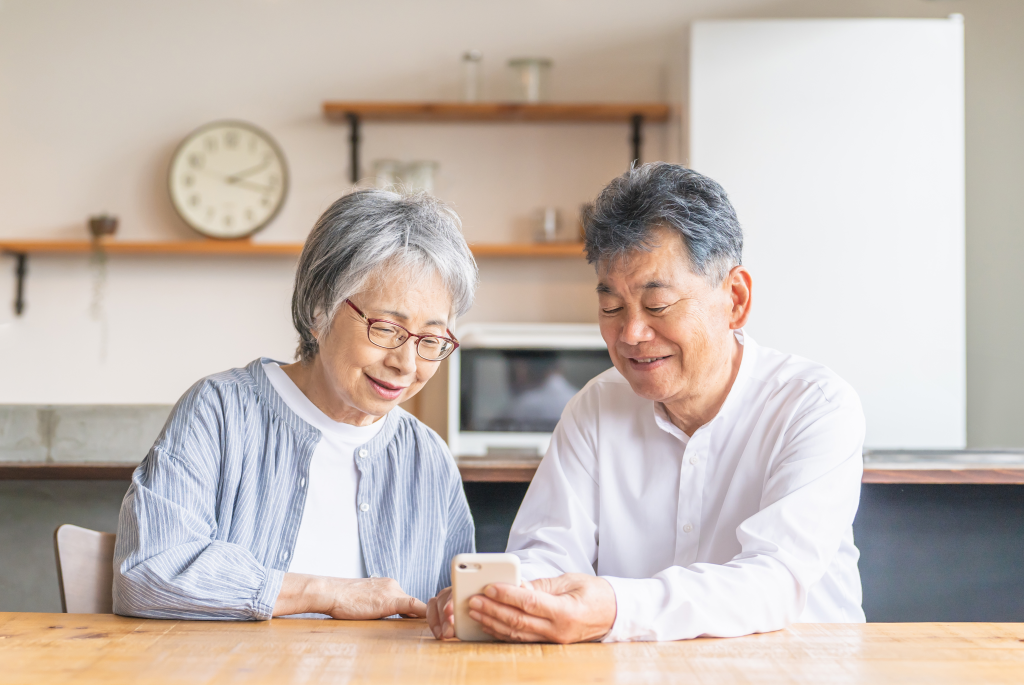
How AI Empowers Seniors in Remote Patient Monitoring As the senior population grows, so does the need for healthcare that is proactive, accessible, and easy to use. Remote patient monitoring (RPM) already makes it possible to track vital signs and connect patients with their care teams from home. But when paired with artificial intelligence (AI), RPM becomes something even more powerful: a personalized, always-available support system that helps older adults stay healthier and more independent. Moving Beyond Data Collection Traditional RPM devices record vitals — like blood pressure, oxygen levels, or weight — and send that data to clinicians. While valuable, raw numbers alone don’t solve the challenges seniors face. AI steps in by turning those numbers into meaningful insights and by interacting with patients in real time. Instead of just “measuring,” AI can coach, remind, and respond — which is especially important for seniors who may need extra reassurance. Personalized Support From Day One Enrolling in any new health program can feel intimidating. AI makes the transition smoother by: Guiding seniors through device setup with step-by-step prompts Offering simple explanations about why daily readings matter Sending reassuring check-ins during the first few weeks This reduces frustration and helps patients gain confidence right from the start. Keeping Routines on Track Consistency is where many RPM programs succeed or fail. For seniors juggling medications, appointments, and daily routines, it’s easy to forget a reading. AI can: Send friendly reminders at the right time of day Notice patterns (like repeated missed readings) and offer encouragement Suggest adjustments if a device isn’t being used correctly These gentle nudges keep engagement high and ensure the care team has reliable data to work with. Relieving Pressure on Care Teams Healthcare providers are stretched thin. AI helps by handling tasks that don’t require a clinician’s expertise, such as: Answering basic patient questions (“How do I restart my monitor?”) Helping patients book a follow-up appointment online Flagging concerning trends for the care team before they escalate This gives providers more time to focus on complex cases while ensuring seniors always feel supported. Why It Matters For seniors, AI within RPM is more than technology — it’s peace of mind. It means they’re never alone in managing their health, even between appointments. For providers, it’s a scalable way to deliver consistent, high-quality care without adding more strain to already busy teams. At NowRPM, we design AI-enabled monitoring tools that are approachable for patients and effective for clinicians. Our goal is simple: to help seniors live healthier, more independent lives while giving providers the insights they need to deliver outstanding care. References https://pmc.ncbi.nlm.nih.gov/articles/PMC6911231/ https://www.forbes.com/sites/shourjyasanyal/2018/10/31/how-is-ai-revolutionizing-elderly-care/?sh=6f7e8dd6e07d Ready to Revolutionize Your Remote Care? One platform to manage monitoring, engage patients, and streamline your workflow—without adding to your team’s workload. Schedule a Call
Read MoreTalking to Patients About Remote Patient Monitoring (RPM): A Practical Guide

Talking to Patients About Remote Patient Monitoring (RPM): A Practical Guide Remote patient monitoring isn’t just about technology — it’s about helping patients feel supported in their care journey. While research and reimbursement have made RPM an essential part of chronic condition management, patients only benefit when they understand how it works and believe it can help them. The way providers explain RPM is just as important as the devices themselves. Below is a practical communication framework your team can use when introducing RPM to patients. 1. Start with Plain Language Avoid medical jargon. Position RPM as an extension of everyday care. Say this instead of explaining the tech:“RPM lets us check in on your health without you needing to come into the office. A small device at home will send us your readings, and we’ll use that information to keep you on track.” 2. Focus on Their Benefits Different patients care about different outcomes — less travel, quicker medication changes, peace of mind. Tailor the message to what matters most to them. Example message:“By sharing your numbers daily, we can act sooner if something changes. That means fewer surprises and more control over your health.” 3. Normalize Common Concerns Patients often hesitate because of privacy worries, tech anxiety, or device fatigue. Acknowledge these upfront. Reassurance tip:“Your information is kept safe and private. And if using new technology feels overwhelming, don’t worry — we’ll walk you through it and help whenever you need.” 4. Explain the Process Step by Step A clear mental picture helps patients feel less anxious. Walkthrough:“You’ll use a simple device at home once a day. The results come straight to us automatically. If we notice something unusual, we’ll reach out. You’ll also hear from us regularly to adjust your plan if needed.” 5. Use Real Stories, Not Just Stats Patients trust examples they can relate to more than numbers. Story format:“Another patient using RPM saw their blood pressure rise one week. Because we caught it quickly, we adjusted treatment before it became serious. That change helped them avoid a hospital stay.” 6. Emphasize Support, Not Surveillance Patients should feel empowered, not watched. Supportive framing:“We’re here to help, not monitor you constantly. RPM is just a tool to make sure you have the right care at the right time.” 7. Keep the Door Open for Questions Encourage dialogue. This builds trust and eases adoption. “Do you have any questions about how it fits into your daily routine? The more comfortable you feel, the better this will work for you.” Why This Matters When conversations about RPM are rooted in simplicity, empathy, and clarity, patients are more likely to embrace the program — and stick with it. At NowRPM, we design remote care solutions that make it easier for patients to participate and for providers to deliver meaningful outcomes. By blending technology with compassionate communication, we help ensure that remote monitoring feels less like a task and more like a partnership. Ready to Revolutionize Your Remote Care? One platform to manage monitoring, engage patients, and streamline your workflow—without adding to your team’s workload. Schedule a Call
Read More